

A bride in Loudoun County recently told her planner she wanted her reception to feel like it grew there overnight. No plastic sheen, no cookie-cutter centrepieces, just flowers and greenery that looked like they belonged to the land itself. That single sentence pretty much sums up where wedding florals & decor in virginia are headed right now. Couples aren’t chasing trends for the sake of trends anymore. They want their wedding to feel personal, a little untamed, and honestly, a lot less staged than what filled Pinterest boards five years ago.
If you are planning a Virginia wedding this year or the next, this post walks through what’s actually happening on the ground, not just what’s trending on Instagram for two weeks and then disappearing. You’ll get real insight into colour palettes, sustainable choices, texture-driven design, and how top wedding florists DC and Virginia are adapting their work for 2026 couples.
Why Virginia Weddings Are Leaning Into “Grown, Not Made”
Florists across the DMV region have noticed the same shift over the past two wedding seasons. Clients are asking for arrangements that look intentional but not overly manicured. Think loose, asymmetrical bouquets instead of tight rounded ones. Wildflower-inspired centrepieces instead of perfectly matched roses in a grid pattern.
This isn’t just an aesthetic preference. It ties back to something bigger happening in the events industry generally, a move toward authenticity over polish. Virginia’s natural landscape, with its rolling vineyards and historic estates, practically demands florals that complement the setting rather than compete with it. A rigid, formal arrangement can look out of place at a barn venue in Middleburg or a garden estate near Charlottesville.
Local Blooms Are Having a Moment
Seasonal, locally grown flowers are becoming a real talking point in client consultations, not just an afterthought. Dahlias in late summer, garden roses in spring, and even foraged branches in winter arrangements are showing up more often. There’s a practical reason too. Local blooms hold up better in Virginia’s humidity than flowers shipped from overseas, and they simply photograph with more character.
Colour Palettes Moving Away from Predictable Pastels
Blush and ivory aren’t going anywhere completely, but couples are getting braver. Deep terracotta, burgundy, mustard, and even chocolate brown tones are showing up in bouquets and table runners this year. It’s a noticeable pivot from the soft, washed-out palettes that dominated weddings for almost a decade.
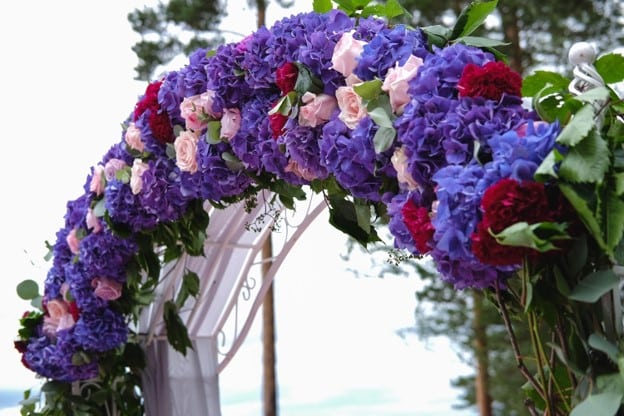
A few patterns worth watching:
- Warm, earthy tones like rust, olive, and clay are replacing the all-white minimalist look.
- Jewel tones such as emerald and plum are appearing in evening receptions for a dramatic effect.
- Monochromatic florals in a single deep colour, layered with varying textures, are gaining traction among couples who want a bold but cohesive look.
This shift matters because colour choice affects everything downstream, from linens to lighting to the photography mood. A florist who understands how a colour palette interacts with venue lighting can save a couple from a costly redo closer to the wedding date.
Texture Over Perfection
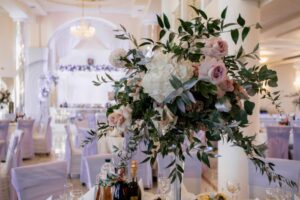
Here’s something that gets overlooked a lot. Texture is doing more heavy lifting in modern floral design than colour or flower type. Pampas grass had its viral moment a few years back, and while it’s cooled off slightly, the appetite for textured, tactile elements hasn’t gone anywhere. Dried florals mixed with fresh ones, unexpected greenery like eucalyptus pods, and even incorporating fruit like figs or grapes into centrepieces are becoming more common in luxury installations.
Experienced designers will tell you texture is what separates a good arrangement from a forgettable one. Anyone can put pretty flowers in a vase. Building layers that catch light differently, that feel different when a guest brushes past them- that’s a different skill entirely.
Sustainability Isn’t a Buzzword Anymore, It’s a Requirement
More couples are asking direct questions now. Where do the flowers come from? What happens to them after the wedding? Can arrangements be donated or repurposed? This wasn’t a common conversation even three years ago, but it’s now a standard part of the planning process for a lot of florists working across the region.
Reputable studios are responding by sourcing more locally, reducing floral foam usage (which isn’t biodegradable, by the way), and partnering with organisations that redistribute wedding flowers to hospitals or nursing homes after the event. It’s a small shift that says a lot about how couples want their celebration to reflect their values, not just their aesthetic.
What This Means If You’re Working with a Luxury Wedding Florist in Washington DC
Full-service design studios that operate across DC, Maryland, and Virginia have an advantage here because they’re not limited to florals alone. A luxury wedding florist in Washington DC typically handles lighting, drape, and rental furniture too, which means the floral concept doesn’t exist in isolation. It gets built alongside the lighting plan and the overall room layout from day one.
That coordination matters more than people realise. A centrepiece that looks stunning under natural daylight can fall completely flat under the wrong uplighting. Couples working with a single team for florals and decor tend to avoid that disconnect entirely.
A Few Practical Tips Before You Book
- Book your florist 8 to 12 months ahead, especially for peak wedding florists DC season between April and October
- Ask to see real past work in the exact venue type you’re considering, not just generic portfolio shots
- Request a sample centrepiece if your budget allows, seeing it in person changes everything
- Be upfront about your budget early, a good florist will design smarter within it rather than push you toward add-ons you don’t need
Conclusion
Wedding florals & decor in Virginia have moved past the era of matchy-matchy perfection. Couples want warmth, texture, and a sense that the design actually belongs to their venue and their story, not a template pulled off a trend board. Earthy palettes, sustainable sourcing, and thoughtful texture layering are shaping most of what’s happening this season, and that shift shows no sign of slowing down.
If you’re planning a wedding anywhere across DC, Maryland, or Virginia and want a team that treats florals, lighting, and decor as one connected vision rather than separate line items, DaVinci Florist has spent over a decade building exactly that kind of full-service experience for couples across the region.
FAQs
What are the most popular wedding florals & decor trends in Virginia right now?
Earthy color palettes, locally grown seasonal blooms, and texture-heavy arrangements combining fresh and dried elements are leading the season, replacing the softer pastel looks that dominated previous years.
How far in advance should I book wedding florists in DC or Virginia?
Most experienced florists recommend booking 8 to 12 months before your date, especially if your wedding falls during peak season from spring through fall.
What makes a luxury wedding florist in Washington DC different from a standard florist?
A luxury wedding florist typically offers full-service design, meaning florals, lighting, and rental decor are coordinated together rather than handled by separate vendors, which creates a more cohesive final result.
Are sustainable floral practices actually available for weddings in Virginia?
Yes, many florists now source locally grown flowers, avoid floral foam, and offer post-wedding donation programs, so it’s worth asking directly during your consultation.
Recent Comments