

A strong event proposal can look impressive on paper. Yet a beautiful stage design or a long equipment list does not always mean the service fits our needs. Before comparing dc event production companies, we should understand exactly what each provider will deliver, who will manage the work, and how much the complete project will cost. Small differences in staffing, equipment, and contract terms can affect the event’s success. A careful review helps us choose a company that offers practical solutions, clear responsibilities, and reliable support rather than making a decision based on price alone.
Start With Comparable Production Proposals
Two production quotes may appear similar but cover very different levels of service. One provider might include installation, technical staff, and equipment testing. Another may charge separately for those tasks. We need a fair way to compare them.
Before requesting prices, we should share the same event brief with each company. Include the venue, guest count, program schedule, technical needs, and expected setup hours. This gives each provider a common starting point and makes differences easier to identify.
Details Every Proposal Should Explain
We should request clear information about:
- Equipment quantities and technical specifications.
- Labor, delivery, and installation charges.
- On-site staff and their working hours.
- Rehearsal and equipment testing arrangements.
- Breakdown and equipment removal.
An itemized proposal helps us see where our budget will go.
Check Whether Equipment Matches the Venue
More equipment does not always create a better event. A small conference room may need only a few microphones and one clear display screen. A large awards ceremony may require a wider sound system, stage lighting, and multiple screens.
When comparing an event production company washington dc, we should ask why specific equipment has been recommended. The provider should explain how each item supports our event rather than simply offering the largest available package.
Venue conditions also matter. We need to consider electrical capacity, ceiling height, loading access, and installation restrictions. A suitable equipment plan should work within these limits without compromising guest safety.
Find Out Who Will Deliver the Technical Work
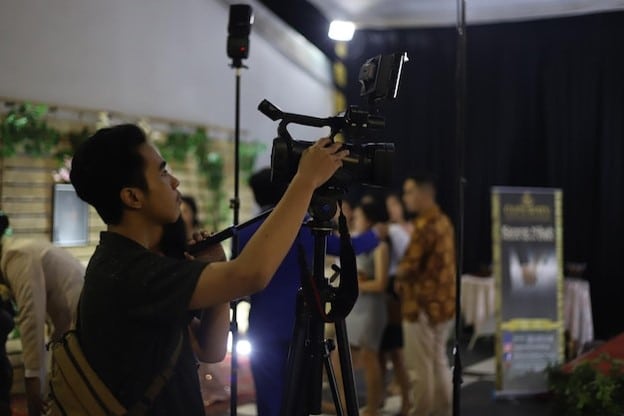
A production company may have an experienced sales team, but we also need to understand who will perform the actual work. Technical operators, installation crews, and show callers have different responsibilities.
We should ask whether the proposed team will be assigned to our event and whether any work will be subcontracted. This is especially important when the program includes live presentations or carefully timed activities.
The contract should identify the main contact and explain how technical problems will be reported. We need confidence that the people on-site can make practical decisions and respond promptly.
Review the Production Timeline Before Booking
A realistic schedule is one of the clearest signs of a well-prepared provider. Equipment needs time for delivery, assembly, testing, operation, and removal. We cannot assume everything will be ready simply because the event begins at a certain hour.
A professional corporate event production company dc should be able to explain the time required for each stage. We should compare that plan with the venue’s access hours and other supplier arrangements.
Important Timing Questions to Ask
Before approving the schedule, we should confirm:
- When can equipment deliveries begin?
- How long will installation take?
- Is time reserved for technical testing?
- Will staff remain throughout the live program?
- When must the equipment leave the venue?
These answers help us avoid scheduling conflicts and unexpected venue charges.
Compare Design Quality With Practical Function
Event production also affects how guests experience the room. Screens need clear sightlines, lighting should support the program, and stage arrangements must allow speakers to move safely.
We should examine whether each provider’s design suits our event format. For example, a business conference may need simple presentation lighting, while a gala may require carefully planned visual changes throughout the evening.
Floral arrangements, furniture, and decorative features should also fit the technical layout. We should confirm how the production company will coordinate with design and rental suppliers so that installations do not interfere with one another.

Understand What the Service Package Excludes
A production proposal may list the main equipment while leaving out services we expect to receive. Rehearsal support, content testing, additional technicians, and extended operating hours may have separate costs.
When evaluating corporate event production services, we should ask for a written list of exclusions. This can be just as valuable as reviewing the included services.
For example, we may need assistance loading presentation files or managing last-minute speaker changes. We should establish whether these tasks are covered before assuming the technical crew will handle them.
Clear exclusions allow us to make informed choices and arrange missing support early.
Check Insurance, Liability, and Equipment Protection
Corporate events involve valuable equipment, busy work areas, and several suppliers. We should understand how responsibility is assigned if something is damaged or an incident occurs.
The provider may need to supply a certificate of insurance that meets the venue’s requirements. We should also check whether subcontractors must provide their own coverage.
Contract terms should explain equipment damage, liability limits, and responsibilities during installation and removal.
We can ask the venue which documents are required before approving a production company. This helps prevent access problems or delays close to the event date.
Review Change Fees and Payment Terms Carefully
Event plans sometimes change after a contract is signed. We may add a presentation screen, extend the program, or adjust the room layout. These changes can affect equipment, staffing, and costs.
We should understand how the company calculates additional charges and when changes require written approval.
Contract Terms That Deserve Attention
We need to review:
- Deposit amounts and payment deadlines.
- Cancellation and postponement conditions.
- Overtime rates and additional labor costs.
- Fees for equipment changes.
- Refund terms and dispute procedures.
A clear contract should also describe the process for approving extra work. This protects our budget and reduces confusion.
Make the Final Comparison Based on Overall Value
The cheapest quote may not offer the best result. A higher-priced proposal might include experienced operators, additional testing, and more complete support. We need to understand whether those differences provide real value for our event.
A simple comparison sheet can help us review price, equipment, staffing, timelines, and contract terms side by side.
We should also consider how clearly each provider answers our questions. Detailed, practical explanations can reveal whether the company understands our requirements.
The final decision should reflect our event’s needs, not just the appearance of a proposal.
Conclusion
Signing an event production contract requires careful review. We should compare equipment, staff responsibilities, timelines, insurance, and additional charges before making a commitment. Clear expectations help us protect our budget and reduce problems during the event.
For businesses planning events in Washington, DC, Maryland, and Northern Virginia, DaVinci Florist offers floral design, event decor, lighting, and furniture rentals. Combining suitable visual services with reliable production support can help us create an attractive and functional event that meets our goals.
FAQs
What should we compare between event production companies in DC?
We should compare equipment specifications, staffing, installation schedules, technical support, insurance, and total costs. Written proposals make these details easier to assess.
Should production companies provide itemized contracts?
Yes. We should request clear service descriptions, equipment lists, payment terms, and additional charges. This helps us understand what we are purchasing.
Can we change production requirements after signing?
Changes may be possible, depending on equipment availability and contract terms. We should confirm how revisions affect pricing and deadlines.
How do we know whether a production quote offers good value?
We should assess the complete package rather than price alone. Suitable equipment, experienced staff, reliable support, and clear responsibilities all contribute to value.
Recent Comments