

The doors open at six, but the work starts much earlier. Crews arrive with equipment, suppliers make deliveries, and speakers prepare for their presentations. Every task must happen in the right order. A skilled event producer dc helps keep these moving parts under control. From the first venue check to the final guest departure, the producer coordinates people, timing, and decisions. When we understand this role, we can plan our corporate event with clear expectations and give our internal team more time to focus on guests and business goals.
The First Walkthrough Sets the Day in Motion
Before suppliers begin their work, the producer checks the venue against the approved event plan. This may include reviewing access routes, stage positions, delivery areas, and the space reserved for guests. Any unexpected change needs attention before installation begins.
We should also confirm that the venue contact and key suppliers know the day’s schedule. A blocked loading area or a late room handover can affect several teams. Identifying these issues during the first walkthrough gives everyone a better chance of staying on schedule.
Supplier Arrivals Need Close Coordination
Several suppliers may arrive within a short period. Lighting crews, furniture teams, florists, and catering staff each need room to unload and install their materials. The producer helps coordinate this work so that one team does not delay another.
A clear delivery order is useful. Large equipment may need to enter before smaller decorations. Floral displays should be installed when nearby construction and heavy movement are complete.
What We Should Confirm Before Setup
- Delivery access: Each supplier knows the correct entrance.
- Arrival times: Teams follow their assigned delivery windows.
- Work areas: Equipment and materials stay in approved spaces.
- Contact details: Supervisors can reach the right people quickly.
- Safety checks: Walkways and emergency exits remain clear.
These simple checks support a safer and more orderly installation.
Technical Checks Protect the Live Program
A successful rehearsal depends on more than having equipment in the room. Microphones, screens, speakers, and presentation systems must work together. The producer coordinates technical checks with the operators responsible for each system.
For events requiring corporate event production services, we should confirm who will test the equipment and who will respond to faults during the program. A microphone that works during setup may still need adjustment once the room fills with guests.
We can reduce interruptions by testing presentation files, sound levels, and backup equipment before the audience arrives.
Lighting Cues Shape Important Event Moments
Lighting helps guests follow the program. The entrance may need welcoming light, while a keynote presentation requires clear visibility around the stage. Award presentations may call for a change in brightness or color.
When working with Event lighting design services in DC, we should confirm that lighting cues match the approved schedule. The producer can coordinate with lighting operators to prepare each transition.
Decor also needs attention during these checks. Floral centerpieces, furniture, and draping should not block lights or create shadows across presentation areas. Good coordination keeps the room attractive without affecting its function.
Speaker Rehearsals Keep Presentations on Track
Speakers often arrive with different levels of preparation. Some know the venue well, while others may be using the stage for the first time. A brief rehearsal can help everyone understand where to stand, when to speak, and how to use the microphone.
The producer may coordinate speaker movements with the stage manager and technical crew. We should provide the final presentation order, correct names, and updated slides before the program begins.
This preparation is especially useful when several speakers share one stage or presentations follow a strict timetable.
Guest Arrival Requires a Clear Handover
The period before doors open is a key point in the day. Setup work should be complete, shared spaces should be clear, and the guest services team should know where to direct people.
The producer may confirm operational readiness with the venue and other event leads. Our internal staff can then focus on registration, client greetings, and guest questions.
We should also review the arrival experience from a guest’s perspective. Clear signs, suitable lighting, and an easy route to the main room help people settle in without confusion.
Live Show Calling Keeps Every Cue Aligned
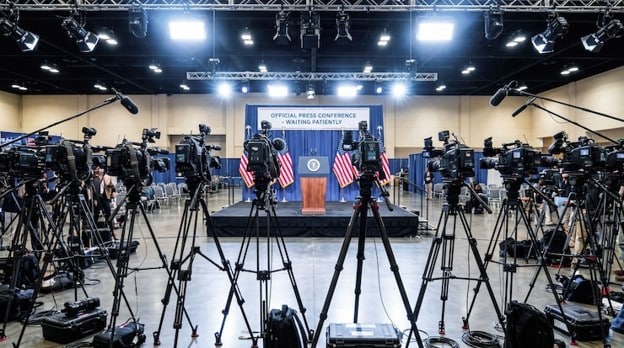
Once the program starts, timing becomes critical. Music, videos, lighting changes, and speaker entrances may need to happen within seconds of one another. A show caller communicates these cues to the technical team.
During corporate event production washington dc, the producer may oversee this process or work alongside a dedicated show caller. The exact arrangement depends on the size of the event and the agreed service scope.
Typical Live Program Responsibilities
- Monitor the approved running order.
- Confirm speakers are ready before their entrance.
- Coordinate video, audio, and lighting cues.
- Communicate approved timing changes.
- Keep key event staff informed.
This coordination helps maintain a steady program even when small adjustments become necessary.
Unexpected Changes Need Fast Decisions
No event is free from the risk of delays. A presentation may run longer than planned, a guest speaker may arrive late, or technical equipment may stop working.
The producer helps assess the situation and communicate the next steps. We should agree in advance on which changes the producer can make and which need approval from our company.
For example, a short program adjustment may be manageable without changing the guest experience. A major schedule change may affect catering, transportation, or venue costs and require a wider discussion.
Clear decision-making responsibilities prevent unnecessary delays.
The Final Handover Matters After Guests Leave
The producer’s work does not always end with the closing remarks. Suppliers still need to remove equipment, collect rentals, and clear their work areas. Venue rules may set firm deadlines for these activities.
We should confirm who will supervise breakdown and record any damage or missing items. The producer may also collect operational notes for a post-event review.
These details help us close the event properly and identify useful improvements for future programs.
Conclusion
A corporate event depends on many people completing their work at the right time. From supplier arrivals and rehearsals to live cues and final removal, production oversight helps us maintain order throughout the day. Clear roles allow our team to focus on guests while specialists manage assigned operations.
For events across Washington, DC, Maryland, and Northern Virginia, DaVinci Florist provides floral design, event decor, lighting, and furniture rentals. By coordinating these services with the wider production team, we can create an attractive, functional event that supports a positive guest experience.
Frequently Asked Questions
What is the main responsibility of an event producer on show day?
An event producer oversees agreed operational activities, coordinates teams, monitors progress, and helps resolve problems. The exact responsibilities depend on the production contract.
Does an event producer manage every supplier?
Not necessarily. Some producers oversee all suppliers, while others manage only production-related teams. We should confirm these duties before the event.
Who controls stage lighting during a corporate event?
A lighting operator normally controls the equipment. The show caller or designated production lead may provide cues based on the event schedule.
How does an event producer handle unexpected delays?
The producer assesses the problem, contacts affected teams, and coordinates approved schedule changes. Major decisions may require our company’s authorization.
When does an event producer finish working?
The role may continue through equipment removal and venue handover. We should confirm the agreed working hours and breakdown responsibilities in advance.
Recent Comments